
What Does CARB's Advanced Clean Fleets Regulation Mean for You?
As CARB moved toward finalizing Advanced Clean Fleets, the proposal would have transitioned California's medium- and heavy-duty fleets to zero-emission by 2045, with high-priority fleets facing dates as early as 2025. What the rule proposed, how it differed from Advanced Clean Trucks, and how the LCFS fit in.
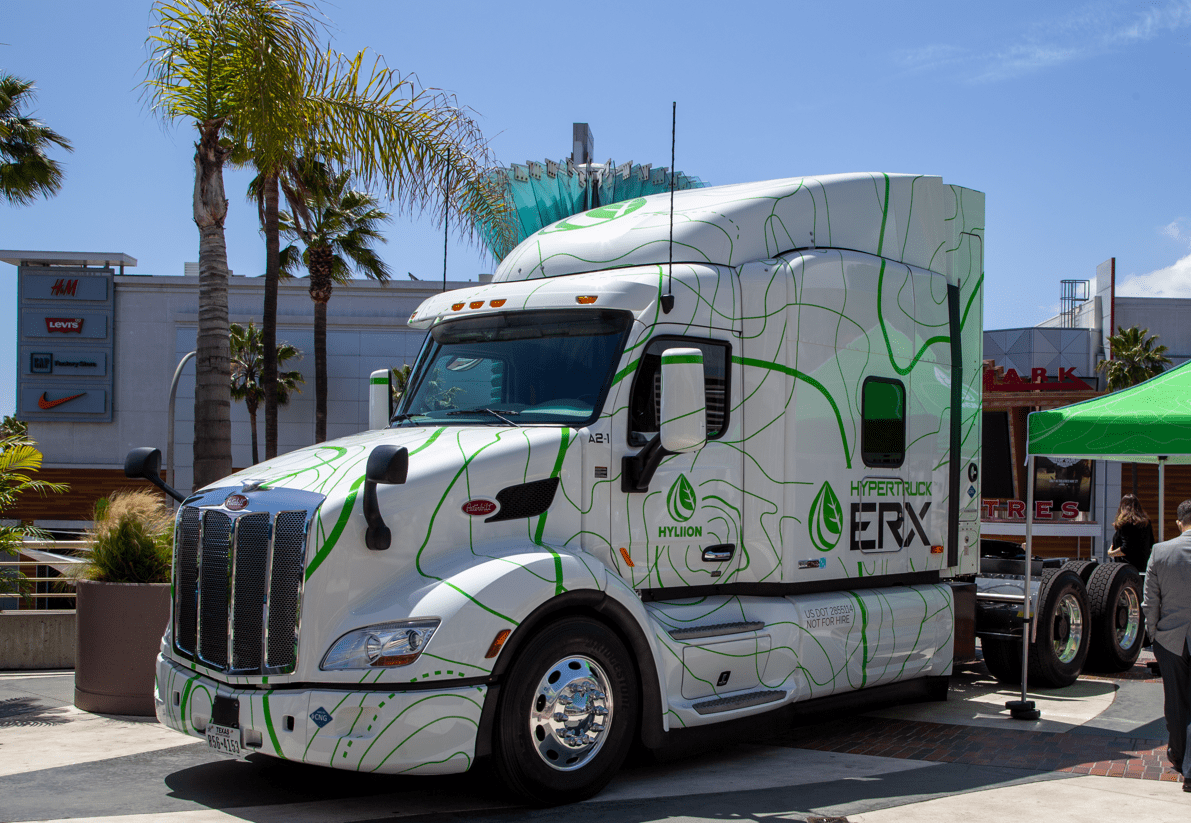
The electric vehicle transition is happening right before our eyes and California is leading the charge. The California Air Resources Board (CARB) is close to finalizing the Advanced Clean Fleets (ACF) regulation, which means that mass electrification is on the horizon. The goal of this public policy will be to transition California’s entire fleet of medium- and heavy-duty trucks to zero-emission by 2045, where feasible.
Although 2045 seems far into the future, companies with over $50M in gross annual revenue, or fleets of 50 or more vehicles with a gross vehicle weight rating greater than 8,500 pounds, are considered “high priority” fleets. Some fleets have compliance dates starting as early as 2025.
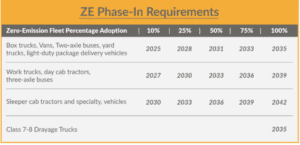
When will my fleet have to be zero-emission?
The zero-emission phase-in requirements vary by vehicle type, covering work trucks, tractors, and buses on separate schedules.
How will the regulation benefit the environment?
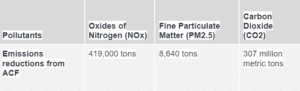
The proposed ACF regulation was projected to make progress toward public health and climate goals by reducing nitrogen oxides, fine particulate matter, and carbon dioxide.
Is the Advanced Clean Fleets regulation final?
As of November 2022, the regulation is still being developed and is subject to change depending on public input and California Air Resources Board direction. However, the time to start electrifying is now.
What's the difference between Advanced Clean Fleets and Advanced Clean Trucks?
Where the ACF regulation focuses on the operators of transportation fleets, the Advanced Clean Trucks (ACT) regulation has two components: a manufacturer sales requirement and a reporting requirement. ACT requires manufacturers who sell medium- and heavy-duty vehicles to sell zero-emission vehicles as an increasing percentage of their annual sales from 2024 to 2035. The proposed ACF regulation and the ACT regulation are complementary, and both are part of CARB’s wider strategy to deploy medium- and heavy-duty zero-emission vehicles everywhere feasible.
Both support California Governor Gavin Newsom’s executive order N-79-20, which calls for “increasing volumes of new zero-emission trucks and buses sold and operated in the State towards the target of 100% of the fleet transitioning to zero-emission vehicles by 2045 everywhere feasible and for all drayage trucks to be zero emission by 2035.”
Are zero-emission trucks affordable?
According to a Consumer Reports white paper, electric vehicles can require 10% to 40% more upfront capital to purchase than an internal combustion engine counterpart. However, zero-emission vehicles generally have lower operating costs because they have lower maintenance costs, and those lower maintenance costs can offset the higher purchase price over time. “As components and battery prices fall and technology continues to improve, the total cost of ownership is expected to become more favorable,” states CARB.
According to the Alternative Fuels Data Center, electric vehicles typically require less maintenance than conventional vehicles because:
- The battery, motor, and associated electronics require little to no regular maintenance.
- There are fewer fluids, such as engine oil, that require regular maintenance.
- Brake wear is significantly reduced due to regenerative braking.
- There are far fewer moving parts relative to a conventional fuel engine.
To offset the initial cost of purchasing an EV fleet, various grants and funding opportunities are available in California, Oregon, and Washington. Federal funding is also available.
Are zero-emission trucks available and practical?
Zero-emission trucks of all classes are becoming increasingly available as original equipment manufacturers rush to meet demand. According to CARB, zero-emission truck availability as of July 2022 was:
- 148 models in North America available for order or pre-order
- 135 models actively being produced and delivered to customers
- At least 35 manufacturers producing Class 2b through 8 ZEVs
Data collected in 2021 shows that the vast majority of trucks — including yard tractors, refuse trucks, cargo vans, and other types — drive 100 miles or fewer per day. This means the range of electric trucks should accommodate most commercial purposes. According to CARB, “medium- and heavy-duty ZEVs that are commercially available today are already capable of meeting the daily needs of most local and regional trucking operations and a variety of vocational uses.”
The proposed regulation includes an exemption for cases in which a ZEV that meets the fleet’s needs is not available for purchase. The zero-emission technology inventory tool from Global Drive to Zero allows users to compare commercially available zero-emission medium- and heavy-duty vehicles worldwide, including range, payload, energy capacity, first available year, and incentives such as HVIP.
How does the LCFS help in the transition?
In many cases, a fleet owner may have little to zero net electricity cost once Low Carbon Fuel Standard credits are included.
The Low Carbon Fuel Standard encourages the decrease of carbon intensity in California’s transportation fuel pool and provides an increasing range of low-carbon and renewable alternatives. It also encourages the use of cleaner low-carbon transportation fuels and the production of those fuels, decreasing petroleum dependence in the transportation sector while achieving the air quality benefits the Advanced Clean Fleets regulation also aims for.
The LCFS is not funded publicly through tax dollars. The program operates as an open market where clean fuels, like electricity, generate credits and fossil fuels generate deficits. Funding comes from regulated entities that need to purchase credits in order to operate in the state. Businesses operating electric equipment generate credits which are transacted and paid out quarterly.
The LCFS has multiple benefits for businesses subject to the Advanced Clean Fleets regulation:
- Recoup the cost of initial electrification investment
- Expand your fleet through a new revenue stream
- Lower cost of fleet maintenance and fueling
- Support your sustainability programs with zero-emission equipment
Where do I start?
The best time to start on fleet electrification is now. Our electrification road map breaks transition planning into four stages:
- Pre-planning (1–3 months) — organizational buy-in and energy planning
- Planning (2–3 months) — timeline and budget
- Implementation (2–9 months)
- Results (3 months)
Have questions about the Advanced Clean Fleets regulation, the Low Carbon Fuel Standard, your electrification timeline, or original equipment manufacturers that could equip your fleet? Don’t hesitate to get in touch.