
SSA Marine, a Carrix Enterprise: Doing the Right Thing at Ports
SSA Marine cut over 38,000 metric tons of CO2 in a single year through RTG crane conversions and shore power across 19 berths. A conversation with Joe Carrillo on electrifying terminal operations, and the funding programs that paid for the equipment.
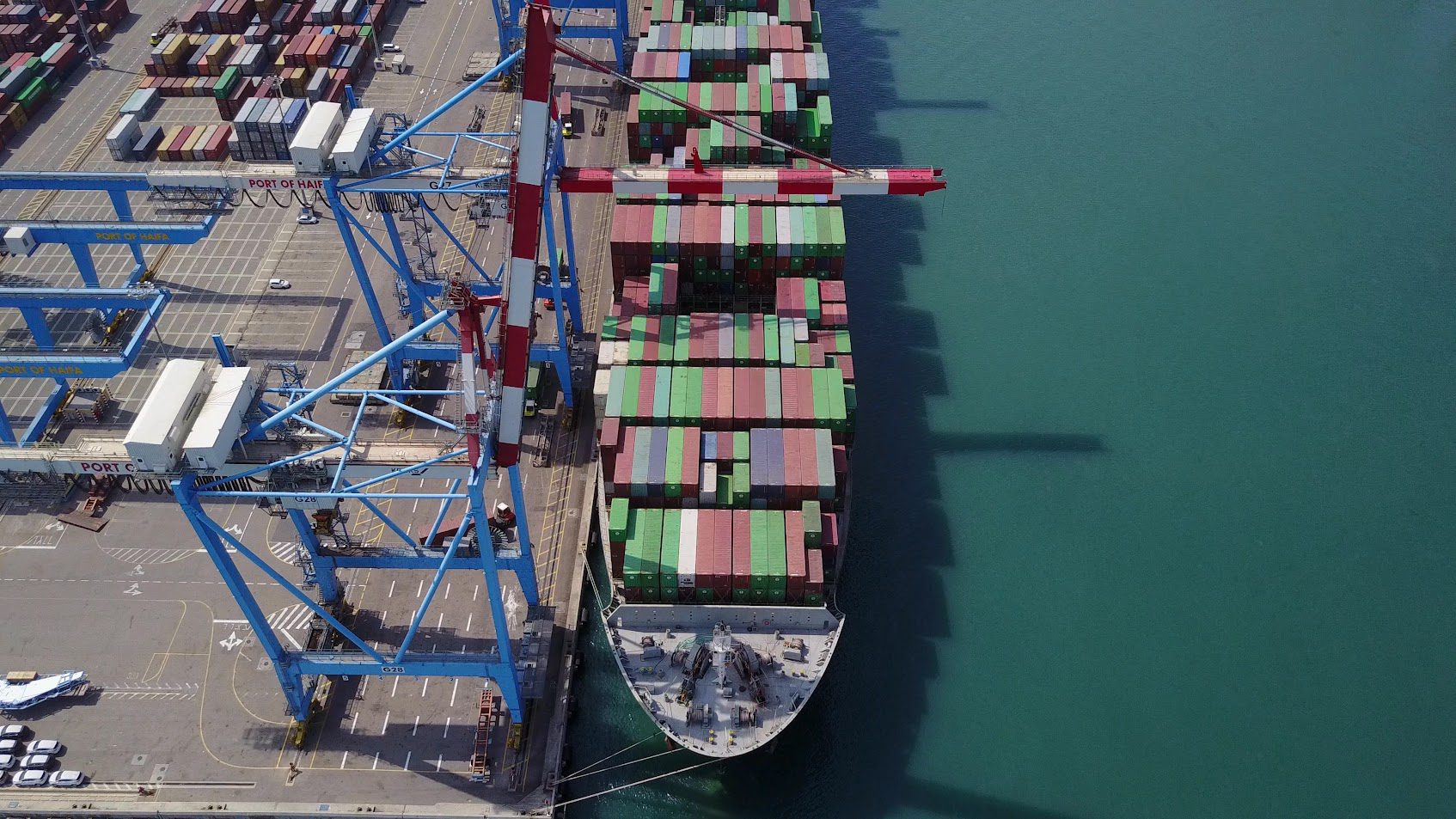
SSA Marine, a subsidiary of Carrix, is a leading provider of cargo handling and terminal operation services with a global presence, including over 240 locations across five continents. As part of Carrix, SSA Marine has adopted an environmental policy and action plan committing to environmental sustainability and the incorporation of best practices in their operations, as well as the adoption of the California Air Resources Board’s Advanced Clean Truck regulation.
The company has made significant progress in decarbonization, including the conversion of rubber-tyred gantry (RTG) cranes from diesel to electric in Manzanillo, Mexico, and the implementation of shore power at 19 berths across 6 facilities on the U.S. West Coast. These port electrification initiatives resulted in the reduction of over 38,000 metric tons of CO2 in 2021.
In an interview with us, SSA Marine employee Joe Carrillo — who has been with the company since 2007 and works with port operations in several locations — discussed his goal of transitioning all of the company’s fleets to zero-emission. To that end, SSA Marine has partnered with Wiggins on electric forklifts and has purchased 18-metric-ton capacity (36,000 pound) forklifts for the handling of agricultural products and steel commodities.
SSA Marine’s commitment to sustainability extends beyond the adoption of clean technologies and emission reduction efforts. The company also actively engages in community outreach and partnerships, as well as waste reduction and resource conservation initiatives.
One example of that community engagement is the development of the “Green Gateway” program, which aims to enhance the environmental performance of marine terminals and supply chains through collaboration with stakeholders such as port authorities, shippers, and trucking companies. The program focuses on improving air quality, reducing greenhouse gas emissions, and promoting the use of alternative fuel vehicles.
In addition to Green Gateway, SSA Marine has implemented a number of waste reduction and resource conservation measures. These include recycling programs for materials such as cardboard, plastic, and metal, as well as the use of reusable containers and the promotion of paperless communication.
Those efforts have been recognized by industry organizations. The company has received the Environmental Protection Agency’s SmartWay Excellence Award for reducing fuel consumption and greenhouse gas emissions, as well as the American Association of Port Authorities’ Environmental Improvement Award for its waste reduction and resource conservation initiatives.
Results of electrification
With hard work in port electrification comes recognition. In May of 2022, SSA Marine was honored with an ACT Expo Fleet Award from more than 140 fleets nominated across North America. SSA Marine won ACT’s “Leading Off-Road Fleet” for operating a wide range of hybrid-electric and battery electric container handling equipment in its Oakland and Long Beach facilities, among other green innovations.
SSA Marine also participates in Green Marine certification. “We’re committed to actively participating in enhancing environmental performance in the marine terminal industry,” said SSA Marine CEO Knud Stubkjaer in a news release. “Joining Green Marine’s comprehensive environmental program aligns with our commitments to incorporating best practices in each region that we operate.”
What kind of funding is available for port electrification?
SSA Marine received a grant from Zero- and Near Zero-Emission Freight Facilities (ZANZEFF), which helped with purchasing numerous pieces of equipment at different ports. SSA Marine also benefited from the CORE Voucher program for heavy-duty forklifts. CORE stands for Clean Off-Road Equipment Voucher Incentive Project, a $125 million project intended to encourage California off-road equipment users to purchase or lease commercialized zero-emission off-road equipment. Through CORE, SSA was able to purchase 12 heavy-duty electric forklifts in Stockton and 14 in West Sacramento to replace diesel forklifts.
The Volkswagen Mitigation Trust can also help ports electrify. The trust provides funding opportunities for specified eligible actions focused mostly on “scrap and replace” projects for the heavy-duty sector, including forklifts, port cargo handling equipment, and commercial marine vessels. Existing vehicles must be scrapped and new vehicles must be zero-emission.
What are clean fuel programs for ports?
Clean fuel programs, active in California, Oregon, and Washington, aim to promote the use of cleaner, low-carbon transportation fuels and to support the production of those fuels. These programs are designed to reduce greenhouse gas emissions, decrease reliance on petroleum in the transportation sector, and improve air quality.
A growing number of medium- and heavy-duty zero-emission vehicles at ports are eligible to generate credits under the California Low Carbon Fuel Standard, the Oregon Clean Fuels Program, and the Washington Clean Fuel Standard. In addition to traditional vehicles such as vans, trucks, trailers, and buses, a wide variety of custom applications at ports are being electrified and are also eligible for clean fuel credit generation, including:
- Cargo handling equipment
- Electric transport refrigeration units (eTRUs)
- Class 6–8 trucks (drayage)
- Rubber-tyred gantry cranes (RTGs)
- Ocean-going vessel shore power systems
- Material handling equipment
Why port electrification?
“We want to be good stewards of the community, and good stewards of the bigger picture,” said Joe Carrillo. And while SSA Marine still uses some diesel forklifts, they will be retired in time. Joe finds that electric forklift performance is comparable to a diesel forklift, meaning there is no sacrifice in productivity to electrify.
We want to be sure we’re always doing the right thing — and doing the right thing is upping our standards every year and reducing emissions wherever we can.