
Insights on clean fuel programs
Regulation updates, program mechanics, and market analysis from the FuSE team.
Transparency by Design: Three Practical Steps to Strengthen EV Charging Credits Under the Canadian Clean Fuel Regulations
The EV charging segment of Canada's Clean Fuel Regulations is entering a decisive period. A few targeted moves by ECCC — none of them heavy lifts — could prevent duplicate claims before they happen, reduce the regulator's own adjudication burden, and protect the integrity of the fastest-growing segment of the program.

The Hidden Math of LCFS Verification: Why the Middle Tier of EV Charging Is at Risk
California's LCFS verification can cost mid-sized EV charging operators more than the credits they generate. Here's the hidden math—and how to plan for it.
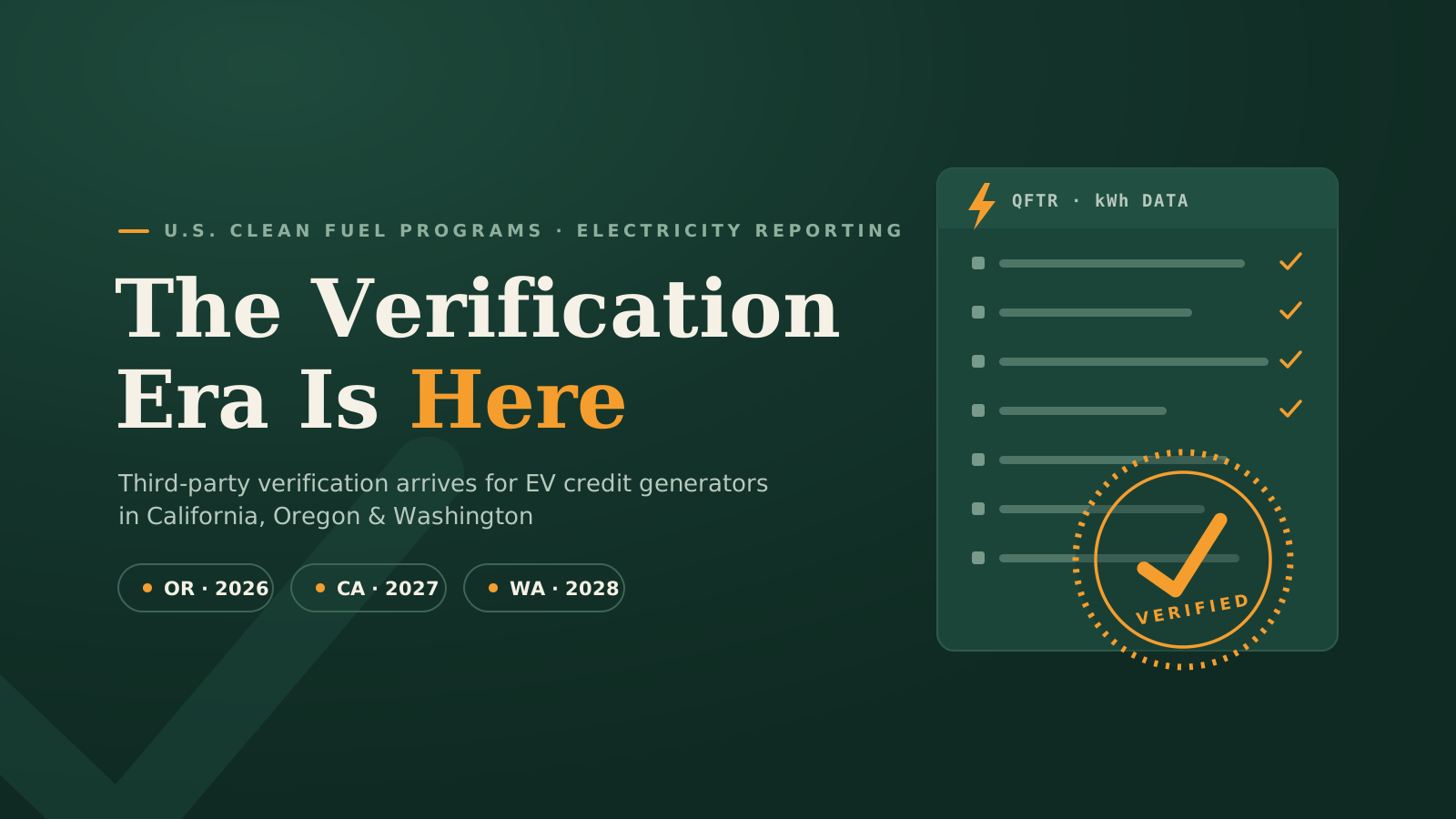
The Verification Era Is Here: What Third-Party Verification Means for Electricity Credit Generators in California, Oregon, and Washington
All three active U.S. clean fuel programs have adopted third-party verification requirements that reach electricity reporting — and the first deadlines are already on the calendar. What verification involves, when it lands in each state, and how to prepare.
California's New FCI Rules: How DC Fast Chargers Earn 10 Years of Credits
CARB's Fast-Charging Infrastructure pathways let DC fast-charging sites lock in ten years of capacity credits, paid on nameplate power rather than energy actually dispensed. What changed, who qualifies, how the math works, and the guardrails to watch.

What's New in California's LCFS: Electricity & Equipment Edition
California's LCFS rulemaking brings four consequential changes for anyone earning credits from electricity: FCI capacity crediting, mandatory direct metering for forklifts, new multi-family charging eligibility, and third-party verification for every electricity report.
Why Low-Carbon Fuel Standards Remain a Net Gain for Society Even When Gasoline Is Expensive
California pump prices are driven mostly by refiner margins, not environmental programs — the LCFS accounts for roughly eight to ten cents a gallon. A look at what the program actually costs consumers against the fuel diversification, private investment, and public health benefits it delivers.
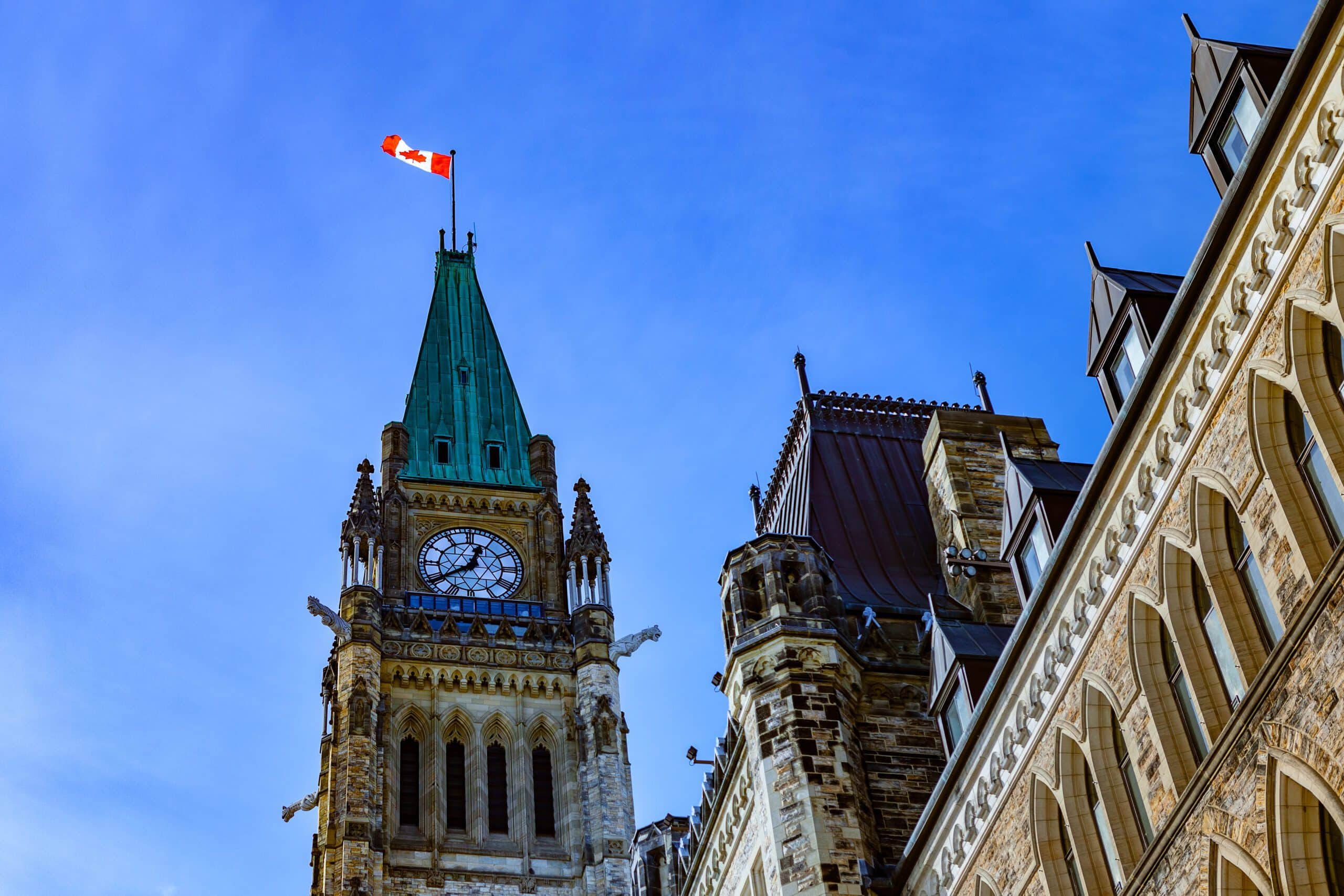
Canada's Liberal Victory Safeguards Clean Fuel Regulations — and Electrification Momentum
The Liberal Party's 2025 federal election win preserved Canada's Clean Fuel Regulations, removing the repeal risk that had been clouding long-term planning for EV charging operators who depend on CFR credit revenue.
CARB's 2025 LCFS Regulation Amendments: What They Mean for Electricity Credit Generation
CARB's amendment package steepens carbon intensity targets to 30% by 2030, caps biofuel feedstocks, and significantly expands electricity crediting — including five FCI pathways, multi-family charging reclassification, and third-party verification beginning in 2026.
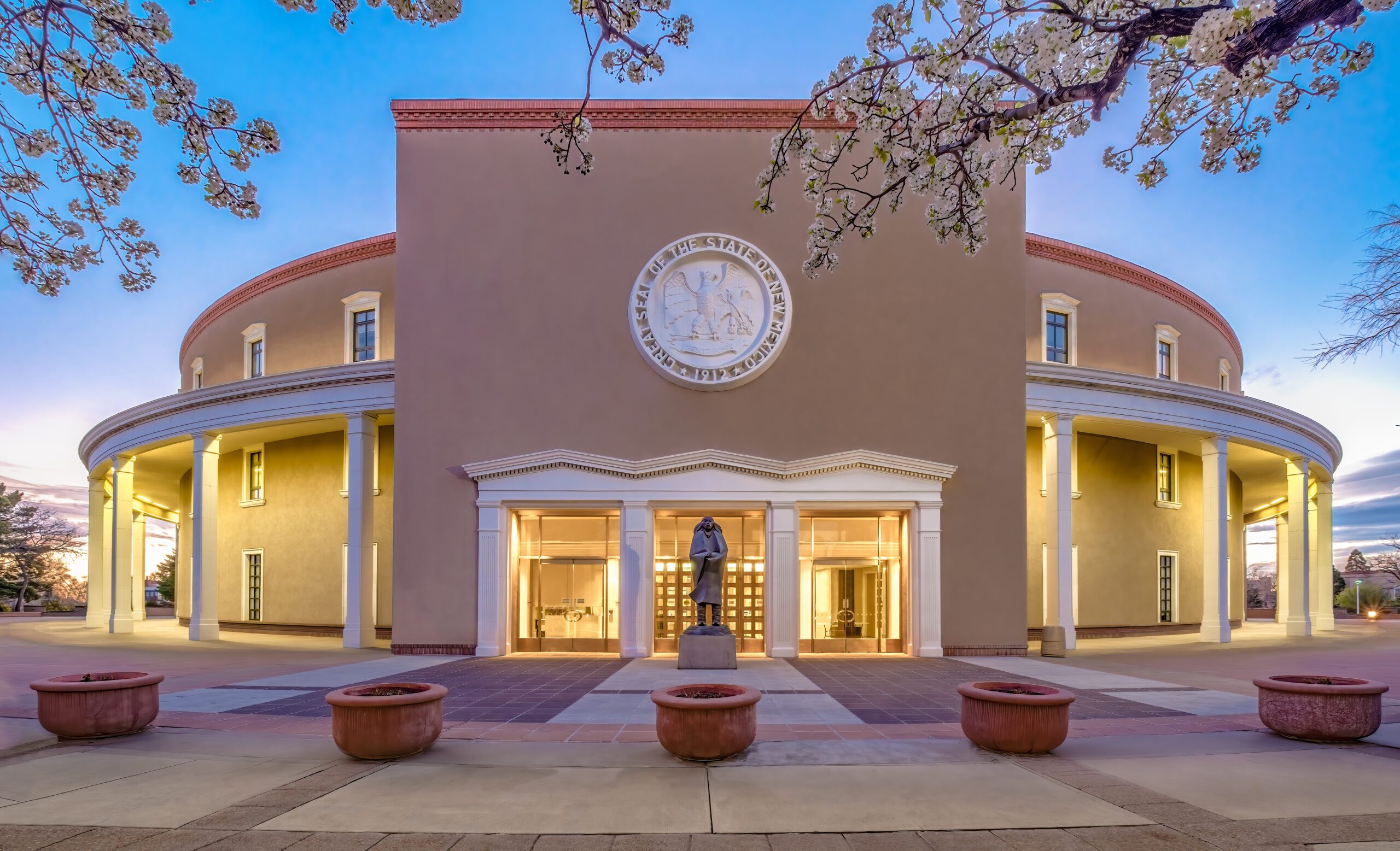
New Mexico Clean Transportation Fuels Standard (CTFS)
New Mexico signed HB 41 into law, clearing the legislative hurdle for a Clean Transportation Fuels Standard. The harder part comes next: the Environmental Improvement Board's rulemaking process, and the five stages a program must pass through before it is operational.
e-Mission Control is Now FuSE
After years as e-Mission Control, the company became FuSE — a change that reflected a shift from a purely service-based business to a software platform for clean fuel program management. Todd Trauman on what prompted the transition and what it meant for clients.
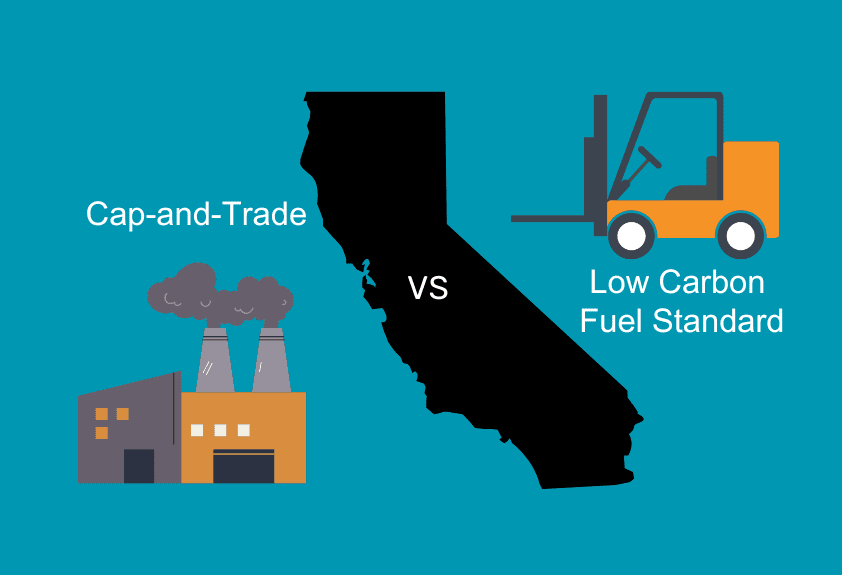
Cap and Trade vs LCFS: What's the Difference in California?
Cap-and-Trade and the Low Carbon Fuel Standard both came out of AB 32 and both are run by CARB, but they work differently and cover different entities. How each program functions, where they overlap, and why EV fleets should care about the LCFS specifically.
e-Mission Control Now Offers Clean Fuel Program Management Services in Canada
The company announced its first international expansion, opening operations in Canada and engaging clients in British Columbia's Low Carbon Fuel Standard ahead of the national Clean Fuel Regulations launch.
Want these updates before they are public?
We send program changes, credit price moves, and deadline reminders to operators we work with.